Lead with Confidence: Playbooks that Spark Interactive Team Communication

Today, we explore Facilitator Playbooks for Interactive Team Communication Workshops, translating proven structures into practical moves you can run tomorrow. Expect clear guidance, engaging stories, and ready-to-adapt sequences that build trust, surface ideas, and turn meetings into meaningful collaboration. Share your questions, suggest scenarios you face, and subscribe for fresh playbook cards, templates, and facilitation prompts delivered regularly to support your evolving practice and help your teams speak up, listen deeply, and decide faster together.

Start Strong: Purpose, Safety, and Shared Agreements

Great workshops begin before anyone enters the room. Clarifying purpose and building psychological safety create conditions where voices emerge and real decisions happen. This section helps you establish intent, boundaries, and belonging, so participants know why they are here, how they’ll contribute, and which outcomes will matter immediately after the session ends.

Design the Arc: Modular Flows and Timeboxed Energy

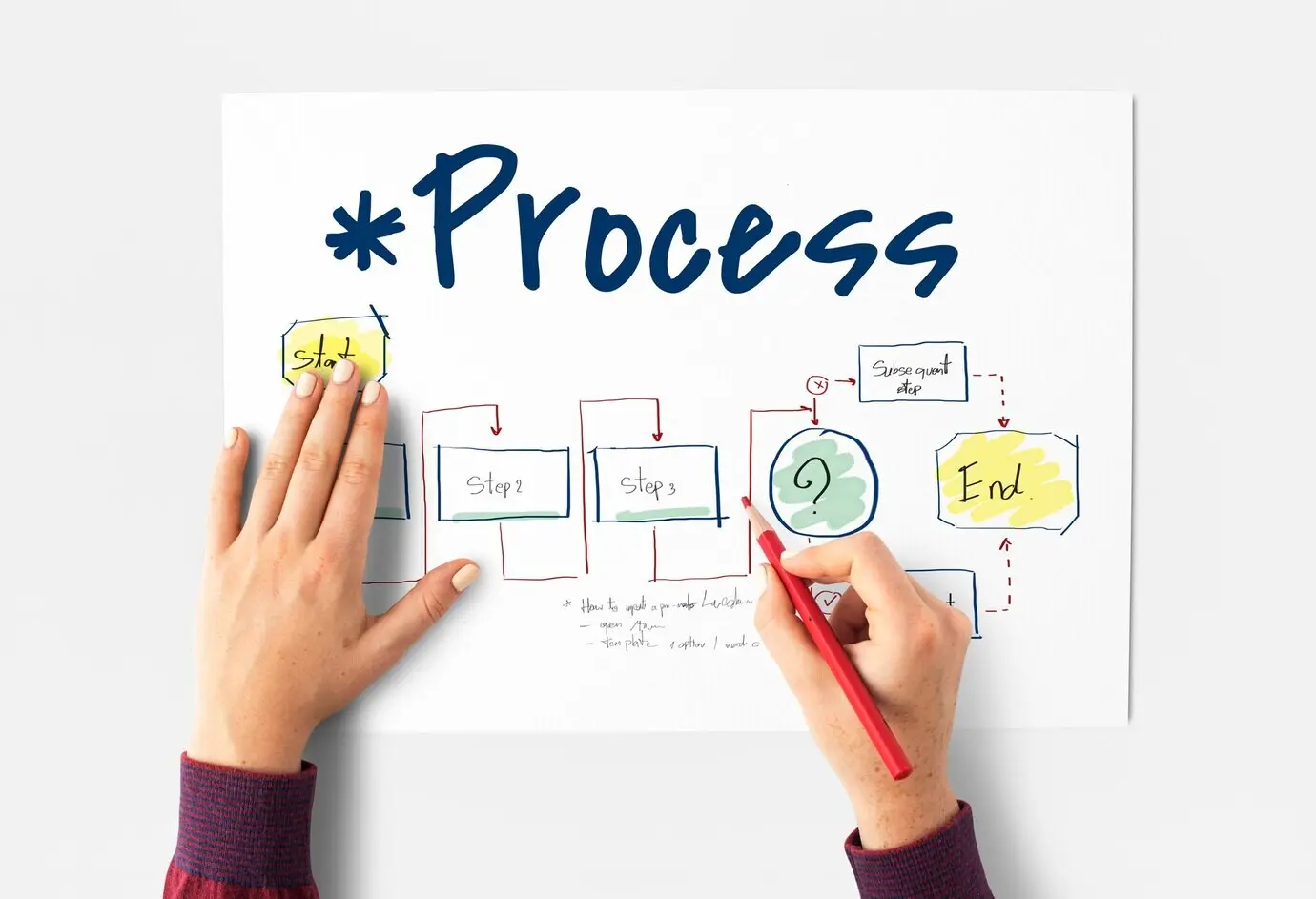
Strong facilitator playbooks map a clear arc: an energizing opening, productive middle, and decisive close. Modular activities let you adapt on the fly while protecting outcomes. Timeboxing channels urgency into creativity, preventing fatigue and overtalking. This section offers repeatable structures and pacing strategies that keep momentum without sacrificing depth or inclusion.

Shape openers, core work, and closers with intention

Begin with a focusing question, move into divergent exploration, converge on patterns, and conclude with commitments. Each phase deserves a distinct tone, materials, and facilitator stance. Name transitions explicitly so participants understand the shift. When the arc is visible, people contribute with confidence and track progress without constant reminders or corrective interventions.

Write instructions that eliminate confusion

Display concise steps, time limits, desired artifacts, and roles. Use verbs that cue action, not interpretation. Provide an example deliverable and a photographed template. Repeat directions verbally and visually, then check for understanding before starting. Clear instructions reduce backchannel whispers, uneven participation, and facilitator rescues, freeing the group to engage fully together.

Reuse templates and facilitator notes for consistency

Create slide skeletons, Miro frames, or printed canvases with placeholders for insights, risks, and decisions. Add facilitator notes containing timing, common pitfalls, and alternative prompts for different energy levels. Reusable assets accelerate prep, support co-facilitators, and make improvement easy by capturing what worked and what you will adapt next time.

Make It Interactive: Role-Plays, Liberating Structures, and Games

Design role-plays people actually want to try

Provide realistic scripts and goals for each role, including constraints and emotional cues. Start with observer roles focused on noticing language and body signals. Timebox rounds, then rotate roles to build empathy. Debrief with targeted questions about what improved clarity, reduced defensiveness, and opened space for genuine listening and shared problem solving.

Use Liberating Structures to include every voice

Run 1-2-4-All to surface ideas quickly, shift to Troika Consulting for peer coaching, and close with What, So What, Now What to translate insights into action. These formats democratize airtime, reduce domination, and consistently reveal hidden intelligence. They require minimal explanation, making them ideal for high-stakes or time-constrained environments.

Play purposeful games that teach communication skills

Introduce simple constraints that mirror workplace realities: incomplete information, shifting priorities, or asymmetric goals. Debrief not the score, but the communication moves that increased alignment. Games lower defenses, invite experimentation, and create memorable anchors. People recall the lesson months later because they felt the tradeoffs, not just heard advice.
Treat conflict as information, not failure

Name what you notice neutrally, invite multiple perspectives, and propose process choices: a short timeout, a quieter round, or reframing the question. Use paraphrasing to show understanding without agreeing. When conflict becomes data, people relax, reengage, and contribute insightfully, discovering shared interests beneath hardened positions and defensive habits.

Facilitate across cultures and neurodiversity

Provide multiple ways to contribute: speaking, writing, drawing, and asynchronous input. Slow the pace to allow processing. Avoid idioms and insider jargon. Offer agendas in advance and sensory-friendly options. Inclusion is not a sentiment; it is an operational design choice that expands participation and improves the quality of decisions and relationships.

Balance power dynamics and rescue quiet voices

Set equal-turn structures, invite laddered responses, and use silent brainstorming before discussion. Intervene gently when interruptions repeat, and rotate report-outs. Use anonymous voting when hierarchy looms. Your consistency signals fairness, enabling quieter contributors to share valuable insights without fear of repercussions or social penalties that silence essential perspectives.

Collect baseline, pulse, and post-session data

Use brief surveys measuring psychological safety, clarity of roles, and meeting effectiveness. Pair quantitative scores with narrative examples. Track follow-up behaviors such as decision latency and meeting lengths. Data becomes a story of progress, guiding future sessions and giving sponsors confidence that the investment delivers tangible collaboration and communication improvements.

Run debriefs that turn insight into action

Close with What happened, Why it mattered, and What we will do next, assigning owners and dates. Invite honest reflections from multiple roles. Capture commitments publicly and send concise summaries. Debriefs consolidate learning, reinforce accountability, and ensure momentum continues after the sticky notes are recycled and the room is cleared.

Reinforce learning with coaching and routines

Offer micro-coaching sessions, peer practice circles, and weekly prompts. Encourage teams to adopt communication rituals: structured check-ins, decision logs, and retrospective questions. Keep it lightweight and sustainable. Small, repeated behaviors transform culture more reliably than one-off events, turning workshop energy into everyday habits that compound results across projects.

Remote and Hybrid Mastery: Tools, Breakouts, and Accessibility

Distributed teams deserve experiences as engaging as in-person sessions. Thoughtful tool choreography, crisp breakout flows, and accessibility-by-default keep participation high and equitable. Prepare contingency plans for tech hiccups, protect privacy, and make collaboration spaces intuitive so attention stays on people, decisions, and learning rather than wrestling with interfaces.

Orchestrate tools with backup options

Set clear roles for video, boards, and chat. Provide links early, label frames, and pin instructions. Prepare low-tech alternatives like shared documents or photographed canvases. When technology supports rather than distracts, participants stay present, and you can adapt quickly if bandwidth dips or platforms misbehave unexpectedly at critical moments.

Run breakouts that feel guided, not chaotic

Seed rooms with prompts, visible timers, and a simple artifact to produce. Use broadcast messages for clarity and send roving facilitators to unlock stuck groups. Stagger returns with a harvest protocol that captures patterns. Structured breakouts deliver high engagement without confusion, ensuring every group contributes meaningfully to shared outcomes.
Ketoroxorivefulime
Privacy Overview

This website uses cookies so that we can provide you with the best user experience possible. Cookie information is stored in your browser and performs functions such as recognising you when you return to our website and helping our team to understand which sections of the website you find most interesting and useful.